Literacy is the pathway
to full communication.
The acts of writing words and reading those words back to yourself or offering them to the world are profound marvels. They are often also profoundly difficult for children with communication challenges.
My approach reflects an understanding that literacy provides AAC users with greater access to academic content, personal expression, and long-term communication independence.
Language is built through meaningful reading and writing.
I believe literacy is the base for language development. Which is why we have worked hard to make literacy an important part of our family culture and literacy instruction, based on leading research, the paramount focus of our school day.
Explore below how I have strived to cultivate a literacy rich environment in our home:





We started our 2019-2020 school year last week. It’s an odd schedule, but starting in July works for our family. In addition to some bigger calendar reasons to start school so early, there’s the weather and living with a trach. The heat and humidity outdoors prevented Nathaniel from being outside more than ten minutes at least one day last week. We might as well use these inside days for learning. l know one thing after a week of school. This year feels drastically different from our previous year.


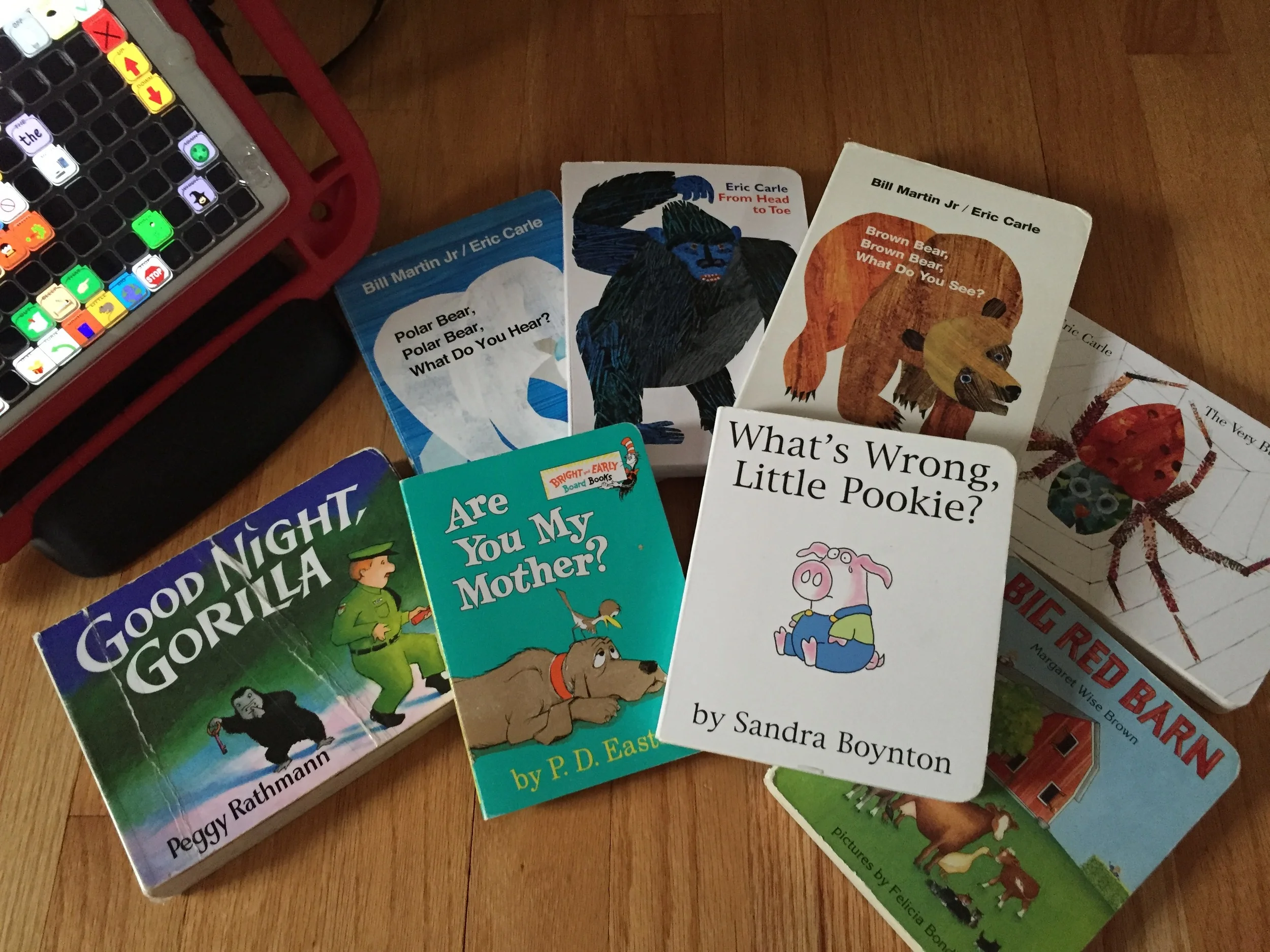
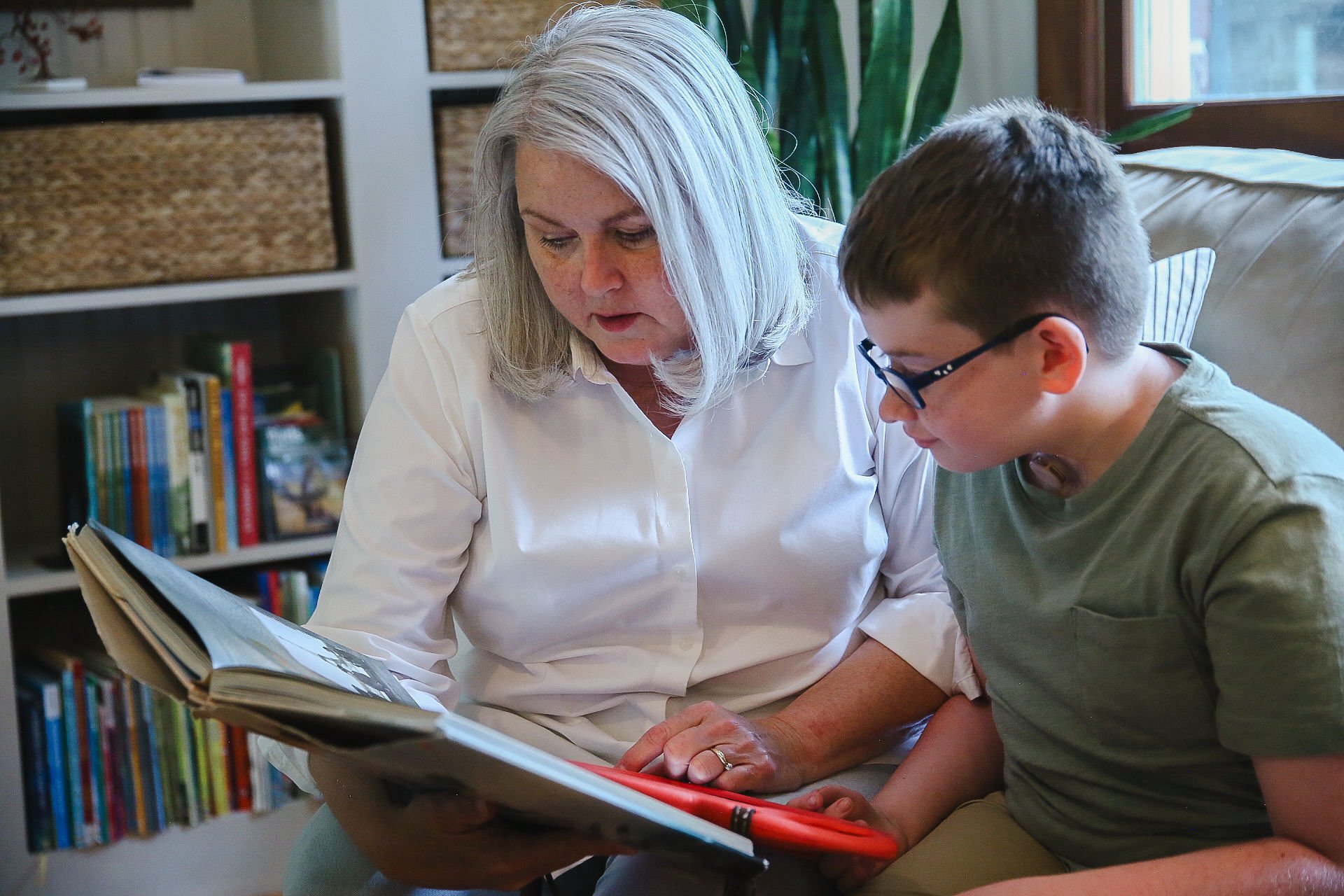
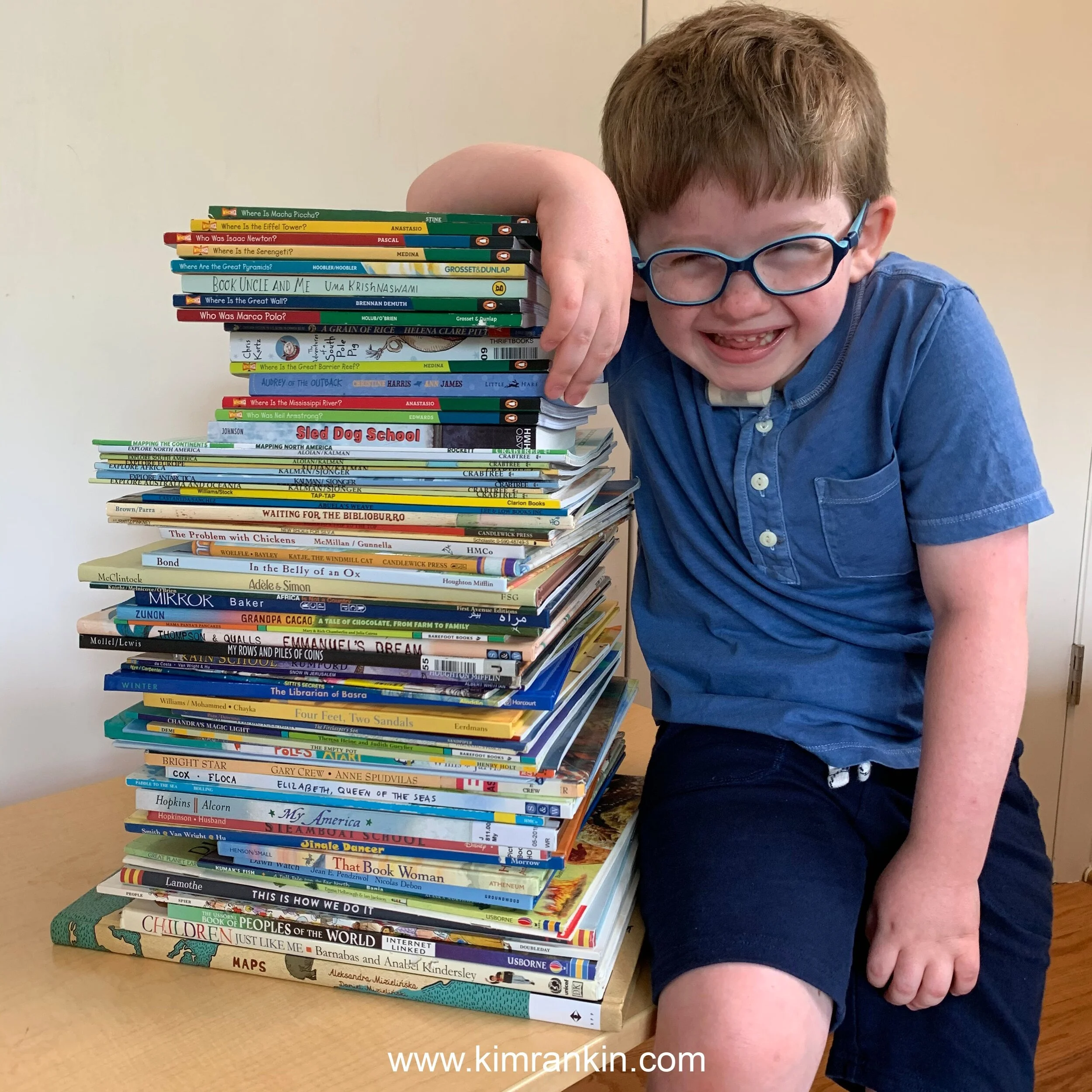
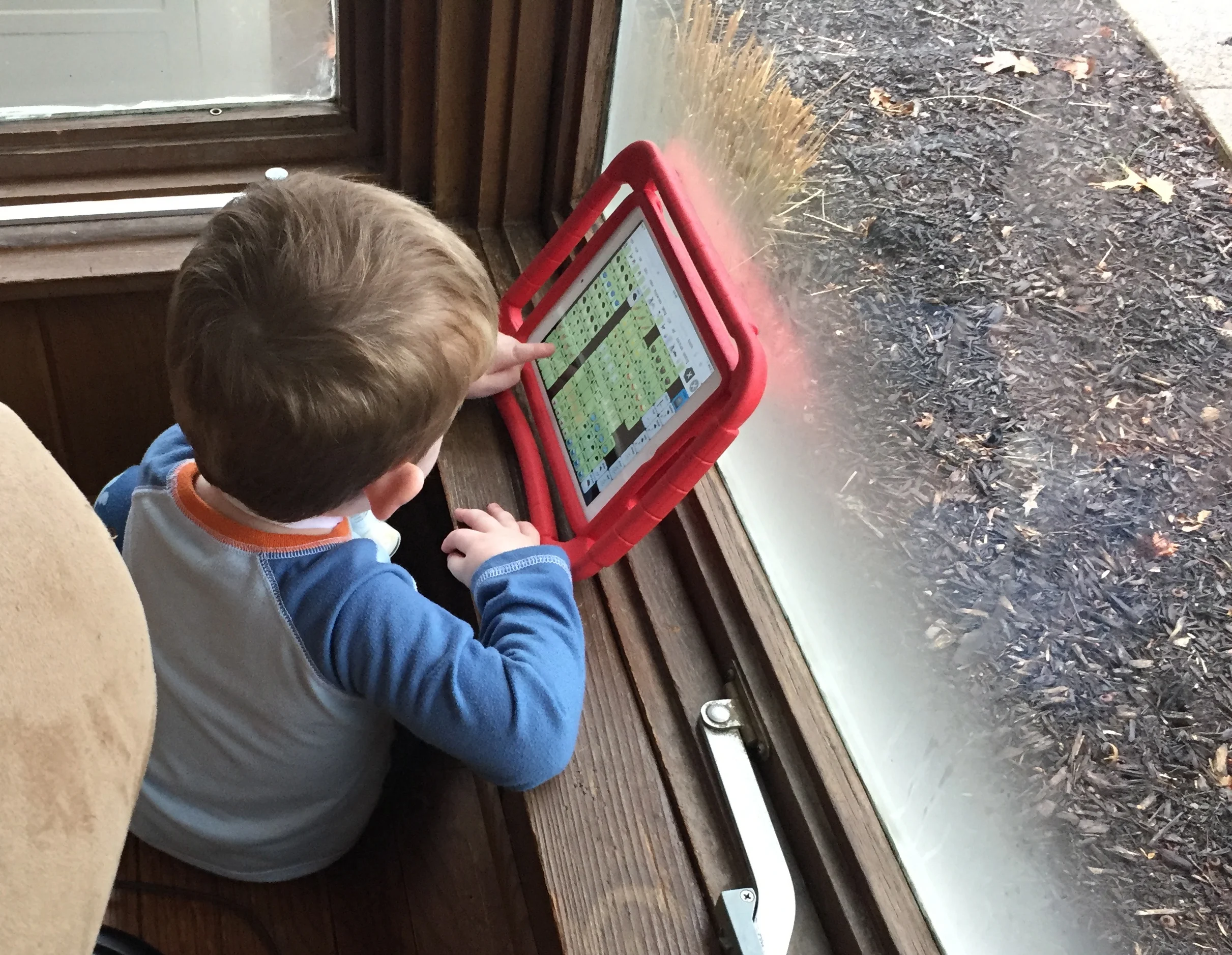
At our last augmented communication team session, one of the therapists asked me how Nathaniel does with books. "Oh," I thought to myself, "we're doing great here. They will be so impressed!" Out loud I said, "Really well! We read ten to fifteen books a day. We get books from the library. We have set times through out the day when we read. And we use the talker while reading too!" They asked for further explanation on my last point.
I have read to Nathaniel since his first day home. Shared moments of reading between parent and child is foundational to my understanding of child rearing. My mother read to me. My Aunt Beccy kept stacks of books in her car for her children and other young riders. My mother's cousin was an elementary school teacher and gave me most of her classroom library when she retired. I was nineteen. I had children's books before I had children. Through our years of homeschooling, reading books aloud has been a pivotal aspect of our curriculum and our family's day.
Last May our daughter suggested that I put together an list or index for blog posts about Nathaniel. When she tells people that she has seven brothers, that the youngest is three years old and the oldest is thirty-three years old, she gets a lot of questions. She likes to send the curious to my blog for information about Nathaniel.
"But where should they start to read, Mom? And how do they find specific posts?"
I have been working on this list since that conversation. The process of compiling and specifically having it completed today, the second anniversary of Nathaniel's adoption, has been a special gift to myself. It was good to reflect on where we have been, what life has been like for Nathaniel and our family, and how God has been faithful through it all. After spending hours rereading these old posts I must add my AMEN to Jason Johnson's words tucked in a recent blog post, "foster care and adoption are not just the process by which we may change a child’s life but also the means through which God will radically transform ours."


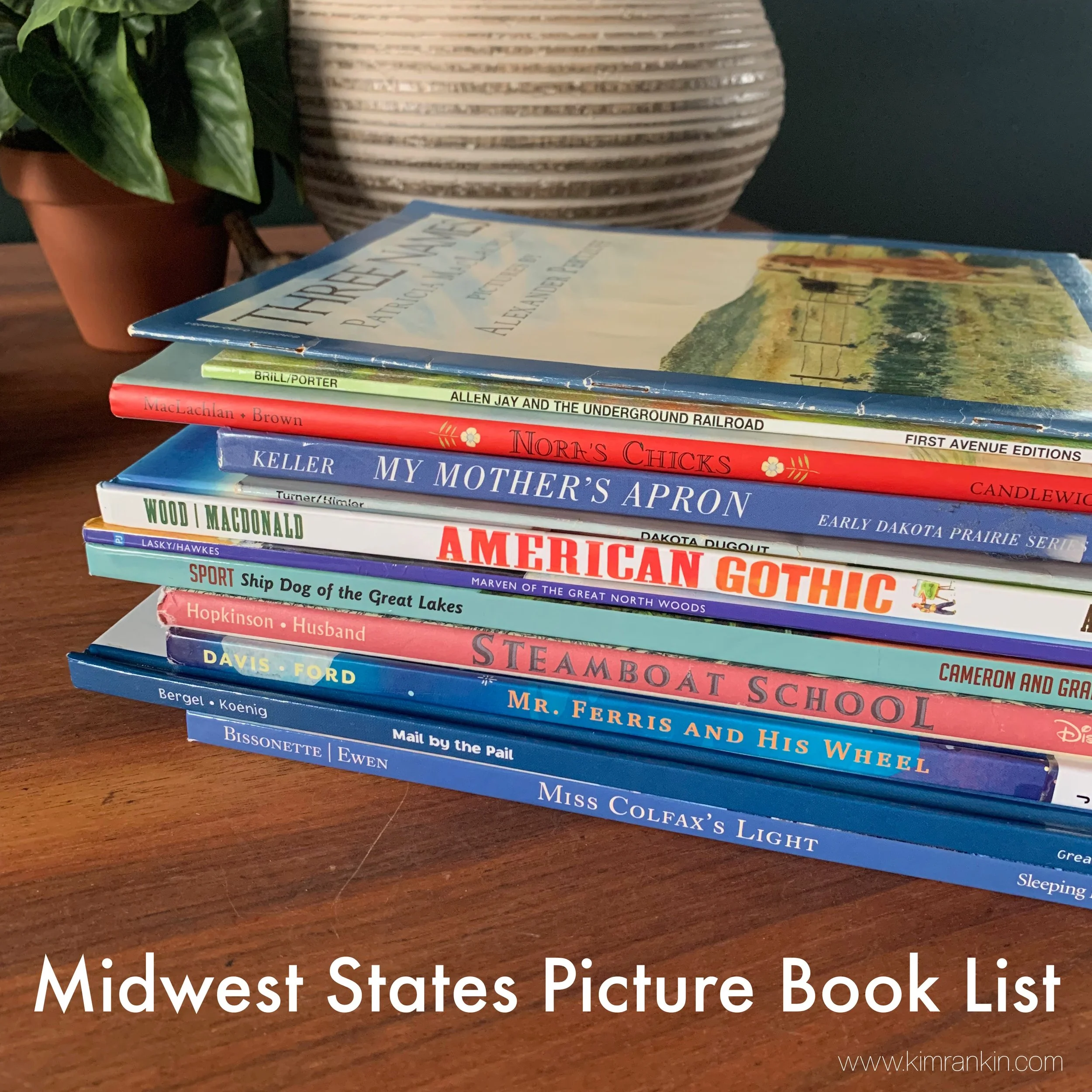
Library day was a huge highlight of our week when my children were little. But it wasn't without some stress. Trying to keep little ones quiet, finding quality literature that you are willing to read your children, managing an infant in a car seat, keeping track of toddlers who need to hold hands, and carrying a bag of books and a purse can make the whole experience not worth the energy. Add in a 1st or 2nd grader who can read EVERYTHING and it just might seem easier to stay home! I thought I would share some tips today on how to make library day more fun for you and your children.
Reading
View the entire reading archive here.
Writing
We started our 2019-2020 school year last week. It’s an odd schedule, but starting in July works for our family. In addition to some bigger calendar reasons to start school so early, there’s the weather and living with a trach. The heat and humidity outdoors prevented Nathaniel from being outside more than ten minutes at least one day last week. We might as well use these inside days for learning. l know one thing after a week of school. This year feels drastically different from our previous year.


Yesterday on the way to speech therapy, Nathaniel was telling me about ATVs.
He said, “ATV Nathaniel orange ride out that it go that”
I showed his speech therapist, and he came out of the session an hour later with the drawing shown in this photo. Amazing, huh? Look close. The rider even has a trach. Thank you R for making these connections with Nathaniel.
Today we started a predictable chart writing exercise to work on the syntax of how to say “I like (color) ATVs.” Of course I expected Nathaniel to say that he likes orange ATVs, but today he likes white ATVs.

I mentioned in my last blog post that I wanted to be honest about some changes I am making after hearing Drs. Karen Erickson and David Koppenhaver’s teaching at the workshop: Comprehensive Literacy Instruction for Students with Significant Disabilities and Complex Communication Needs. Before I jump into another week, I do want to mention modifications that I am implementing immediately. If you have followed our journey and emulated any of my practices, I want to be up front about what we are going to do differently now.

I spent the last three days in Cleveland, Ohio at a intensive introductory course titled Comprehensive Literacy Instruction for Students with Significant Disabilities and Complex Communication Needs. It was twenty-four hours of lectures focused on teaching conventional literacy instruction.

December has been a whirlwind of fun for our family. Rich spent hours in the garage making three maple saddle stands as a Christmas present for Andrew; Nathaniel and I spent those same hours in the kitchen making yummy food for everyone. We were able to see all our children over the Christmas holiday and made some great memories. I love this photo of Nathaniel's first experience ice skating! Unfortunately Nathaniel is currently in the hospital with a virus. Rich is with him this morning to give me time to rest. I have enjoyed the quiet moments to reflect on my writing and reread some of this year's blog posts. Here are the top five most frequently read 2016 blog posts:
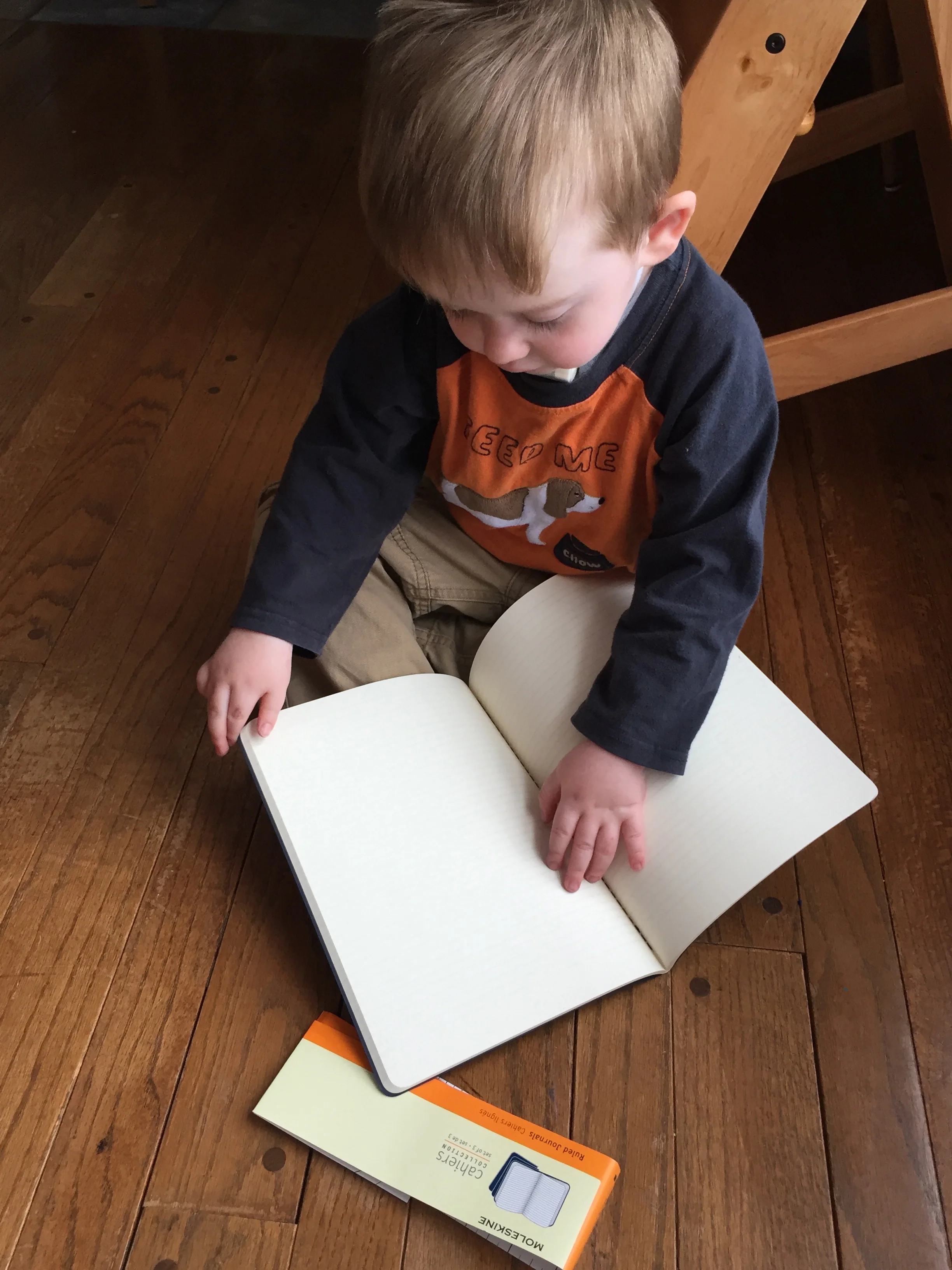
I did something Monday that I have only done once since July 30, 2013. I drove alone with Nathaniel in the van. We went to the park and took a walk. We stopped by Barnes and Noble. We were away from the house for almost two hours.
It felt so good to be out together. Alone. Together.
Last May our daughter suggested that I put together an list or index for blog posts about Nathaniel. When she tells people that she has seven brothers, that the youngest is three years old and the oldest is thirty-three years old, she gets a lot of questions. She likes to send the curious to my blog for information about Nathaniel.
"But where should they start to read, Mom? And how do they find specific posts?"
I have been working on this list since that conversation. The process of compiling and specifically having it completed today, the second anniversary of Nathaniel's adoption, has been a special gift to myself. It was good to reflect on where we have been, what life has been like for Nathaniel and our family, and how God has been faithful through it all. After spending hours rereading these old posts I must add my AMEN to Jason Johnson's words tucked in a recent blog post, "foster care and adoption are not just the process by which we may change a child’s life but also the means through which God will radically transform ours."
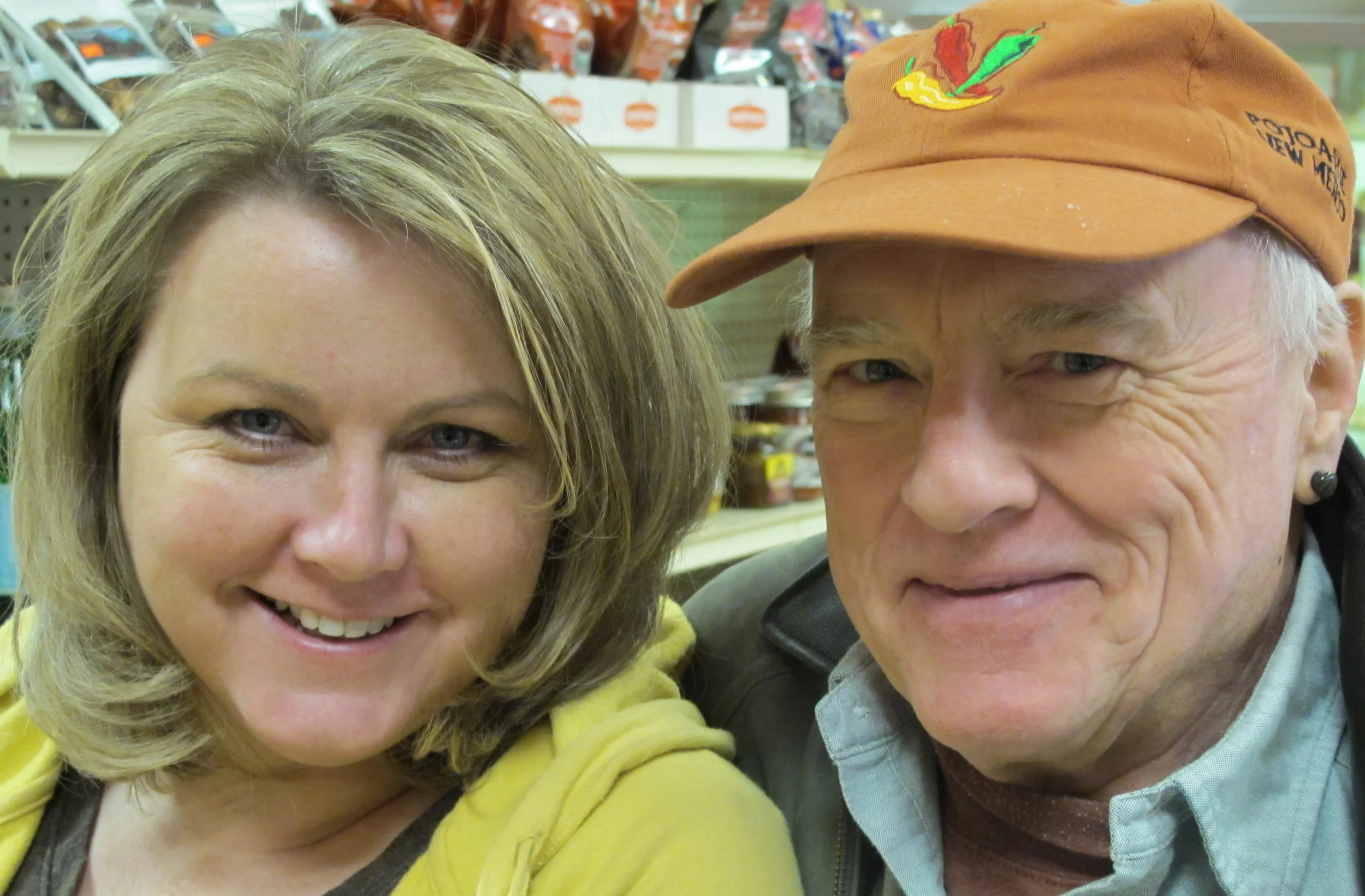
While working on my masters in Composition and Rhetoric, I spent a semester writing about my experiences with literacy - the stories, people, and moments that shaped my view of reading and writing. The following are experts from that larger work; each story centers on the role my father had in the formation of my literacy practices.
The weekly walks to and from the public library with mom were full of laughter, skipping, and splashing in puddles. In my memory, Concord’s weather was always post-storm, blue-sky sunny with a few lingering puddles for the children’s sake. I have no memories of the library itself, only the route there and back. Our limit of books was determined by what we could carry. Perhaps backpacks and totes were used on the other side of town; rough brown cardboard boxes from the grocery store were our containers of choice. Once home, a small room off the living room served as our own library. My older brother, Ed, and I would carefully place the books on the long built-in bookshelf under the two large wood windows. For hours while Ed was off at kindergarten, I would sit alone on the hardwood floor reading. Oddly, I do not remember if I could actually read.

I grew up as a year around resident in Lakeside, Ohio. It is one of the few existing Chautauqua in the United States and the unique setting definetly shaped who I am today. Reflections of experiencing Lakeside, both as a summer and winter resident in my childhood and as a returning vacationer, has filled many journals.

At our house the "Oh-my-goodness-it's-summer" turns into boredom in about 48 hours. Without a schedule and some resemblance of a routine, my children quickly resort to game systems to fill their days.

I'm a collector of words. My favorite Pinterest board is full of words and sayings. When I go on vacation, I gather brochures, postcards, maps, and words about the places we're visiting. Usually these go in my suitcase with the best intentions of being transformed into something more creative once I get home.
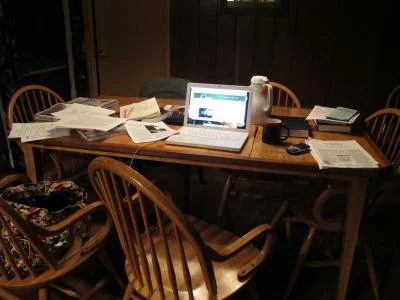
I haven't had much time to blog lately, because I've been sitting in that chair way past midnight most nights surrounded by books and coffee. Just today, I checked another stack of books out of the college library. The sophomore behind the counter stamped the return date on the inside cover. "These are due back in three weeks - May 7th," she said. I literally gulped. That's finals week. Just three weeks away? Oh gosh!

Homeschool parents today have a spectrum of choices when it comes to language arts curriculum. Rainbow Resource, the super center of all homeschool supply companies, offer 515 full curriculums, and over 700 individual items to help with grammar/usage/mechanics. Overwhelming! Instead of offering a review of specific products or endorsing one company over another, I want to offer a few tips regarding languages arts in general:
View the entire writing archive here.



I mentioned in my last blog post that I wanted to be honest about some changes I am making after hearing Drs. Karen Erickson and David Koppenhaver’s teaching at the workshop: Comprehensive Literacy Instruction for Students with Significant Disabilities and Complex Communication Needs. Before I jump into another week, I do want to mention modifications that I am implementing immediately. If you have followed our journey and emulated any of my practices, I want to be up front about what we are going to do differently now.
I spent the last three days in Cleveland, Ohio at a intensive introductory course titled Comprehensive Literacy Instruction for Students with Significant Disabilities and Complex Communication Needs. It was twenty-four hours of lectures focused on teaching conventional literacy instruction.


I see a trend when I look at photos from this week. Nathaniel continually has his head down on the table or is laying down. He is still not feeling well. I have been advocating for a clear diagnosis of a respiratory infection for three weeks. I think we finally have a treatment plan. However, it is late Friday afternoon and I'm still working with the pharmacy and doctor's office to get the medication we need in a form that is easy for Nathaniel to take. We have not needed his g-tube for anything, including medications, since early June. It seems this illness might require using the tube again.

Nathaniel's medical conditions stole time from being a student this week. He has recently experienced some complications with his trach stoma, and we think he might have a respiratory infection. Thankfully, we've managed at home, which is a huge improvement for this kid who used to need ICU support for minor viruses. But we've been to the doctor a number of times and have added additional treatments to our routine. He hasn't been sleeping well, which means I haven't slept well.

When I posted My AAC Immersion Homeschool Kindergarten: Week 2 on Nathaniel's Facebook page, I said something like, "I can't promise these will be weekly..." But then I received a message from Laura in Texas.
Her daughter has complex communication needs and was under served by her public school district last year. Laura is hoping to use the summer to boost her daughter's AAC exposure and use. "Can I buy your curriculum?" she asked. Problem. I don't really have a curriculum. I have made eclectic selections of other people's stuff and supplement it with materials I own or create depending on Nathaniel's needs. Often an idea on how to use a core word in tomorrow's math lesson occurs to me at two in the morning when I'm awake checking on Nathaniel's oxygen levels. I have nothing to sell to Laura.

Last week seemed idyllic compared to how this week felt as I moved through it. We got off to a weird start on Monday due to a mid-morning physical therapy appointment. The appointment went fantastic, but morning appointments derail our day. Monday morning appointments can derail more than a day.
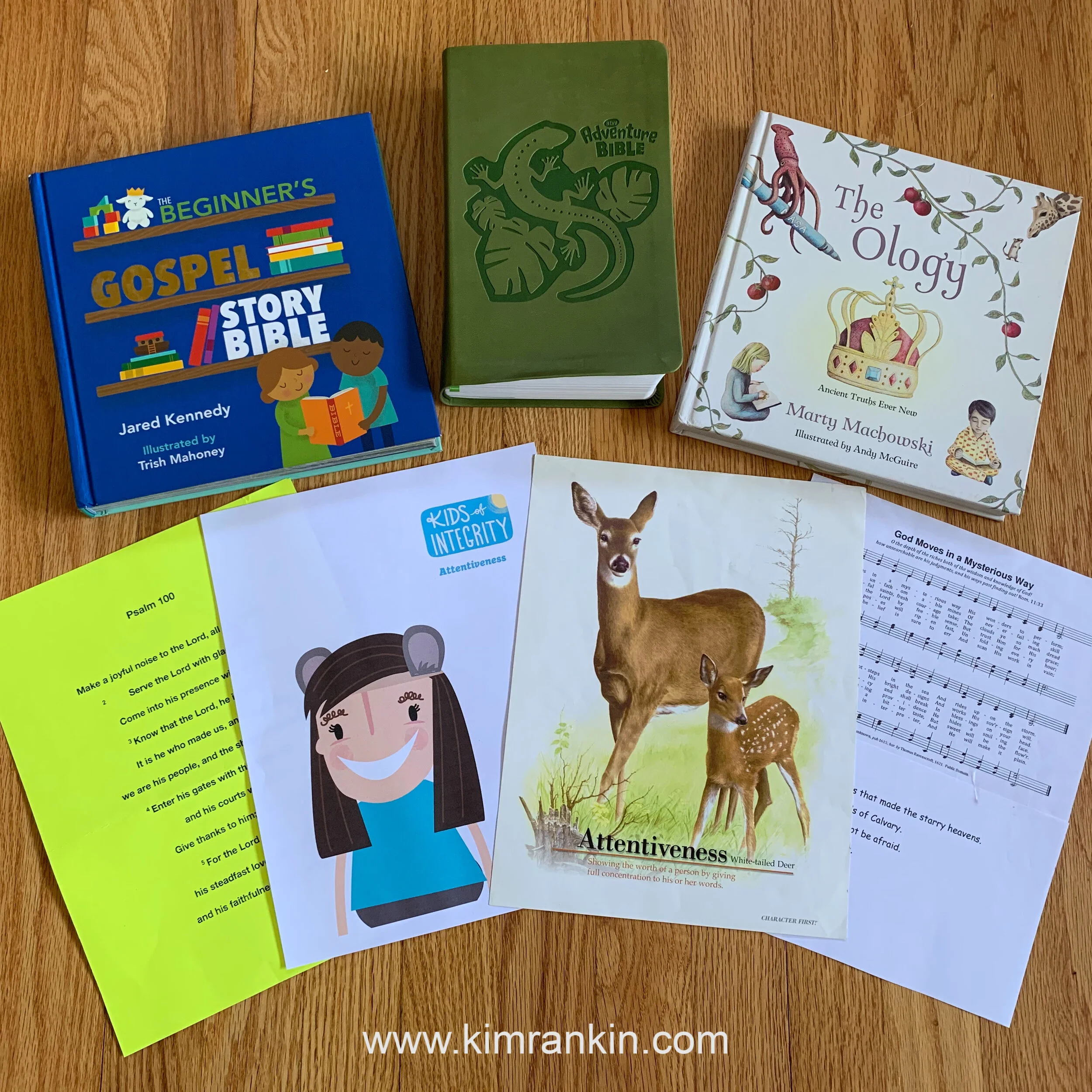
When I planned our kindergarten homeschool schedule, I purposefully put bible, math, phonemic awareness/phonics, occupational therapy/fine motor work, and our augmentative alternative communication (AAC) lessons in the morning. These are my highest priority for Nathaniel right now. I placed enrichment lessons - literature, science and culture, music, and art in the afternoon. For the last few months, I have been gradually moving all our appointments to after lunch. There is a natural break in our day if we spend the morning at home learning and head out after lunch for a PT, OT, speech therapy, or doctor's appointment. If we don't return to school after we get home, the enrichment lessons are easily accomplished after dinner or on the weekend.

I just completed the first week of my twenty-five year homeschooling. That is a sentence I didn't expect to ever write. Our seventh child, Josiah, graduated high school in the spring of 2016, and I anticipated for over a decade that his graduation would end my homeschool teaching. Decisions about our son Nathaniel's education have been a long (mostly kept private) wrestle over the last few years. Perhaps in time I will share more about the small decisions that landed us at last Monday - Nathaniel's first day of Kindergarten in our homeschool. But for today, I just want to share about that first week.


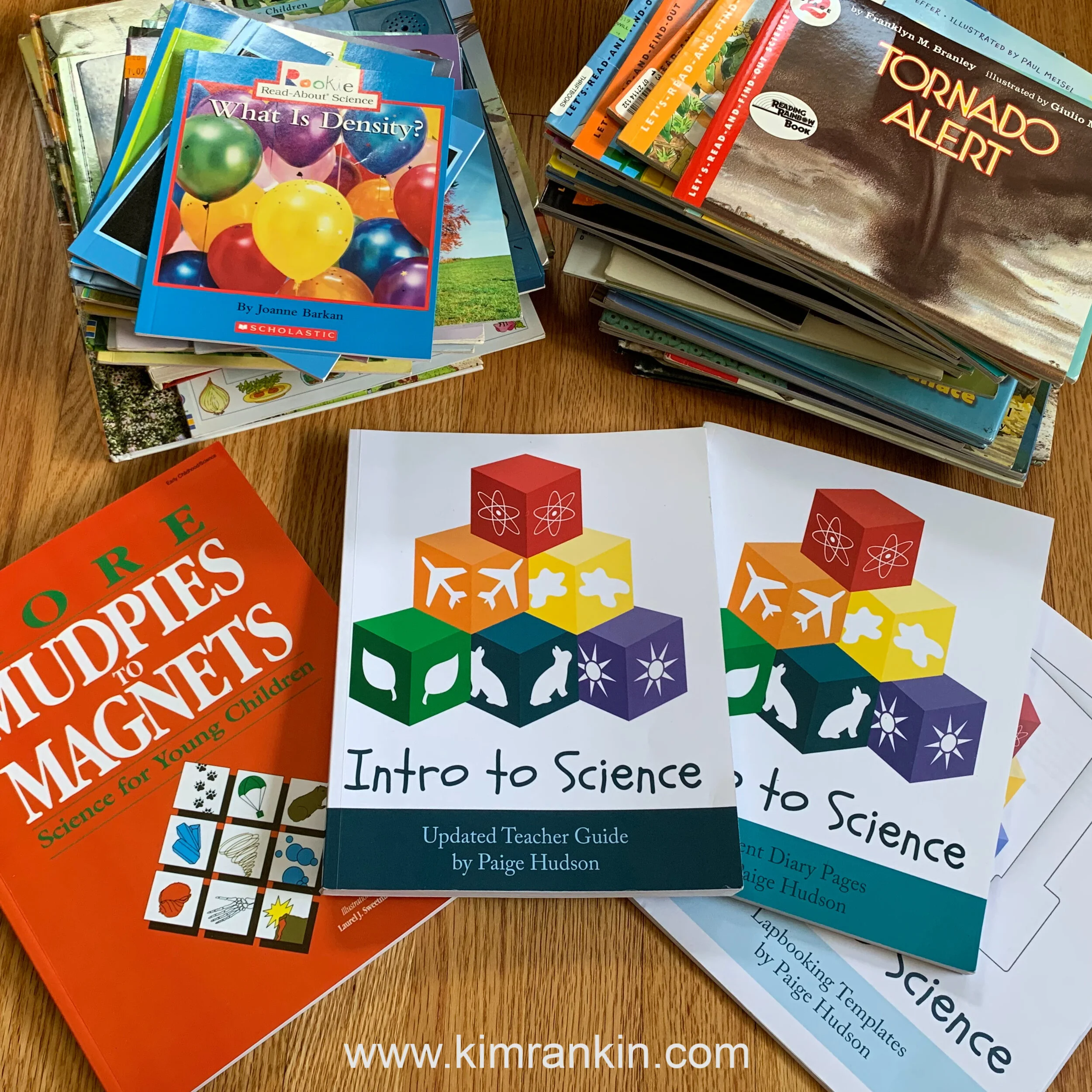
When we decided to homeschool this year, I did not want every piece of our day to be remedial and fixing weaknesses. I wanted to do something that built on Nathaniel's strengths and things we enjoy. His receptive language skills are fantastic. He loves stories. He loves being outside. This intersection is where I am building some fun learning into our day.
"Backyard Visitors" is the name I am giving to our nature study. We are learning about one animal a month through children's literature, crafts, and time outdoors. We are working on core AAC vocabulary. The first critter that we learned about was the firefly.

I am learning a multitude of ways not to teach and help Nathaniel. I wrote a lengthy blog post in September about starting to memorize bible verses with him. Seven months later, I have learned that approach did not work. Or perhaps it is better stated that in recent months my goals have changed, and so my approach needs to change too. If this topic is new to you, click on the link above to learn where we started.

I made a new AAC friend last month. Dr. Carole Zangari, who blogs at PrACCtical AAC, and I spent a few hours on the phone getting to know each other and discussing her recently published book, Tell Me AAC in the Preschool Classroom. I have been desperate for direction for Nathaniel's education, and the program developed by Dr. Zangari and Lori Wise seemed promising. I have been studying the material daily since that conversation, and recently watched her webinar given through Saltillo. Dr. Zangari and I had a second phone meeting yesterday morning. At one point in our hour and a half conversation, I had to get up from the table and pace the living room floor; the excitement brewing inside needed a physical release.

"Why don't you homeschool Nathaniel?" The question was the first thing my mom asked when I answered the phone early Tuesday morning. It was asked last Saturday by a college friend, who has close to thirty years experience in public school special education, after she read my blog post about a Christian school's denial to consider enrolling my son. It is a question Rich and I have repeatedly asked ourselves, and it is a logical one given that homeschooling has been our educational choice for our other children. Answering the question and making any educational decision on Nathaniel's behalf forces us to reflect on his journey.
When placed in our home through foster care, Nathaniel was enrolled in early intervention services offered through our state Department of Education. We have homeschooled for twenty-five years. Our experience with public education was limited to our older two sons who attended while living at their mother's home. Despite the unfamiliarity, we continued the services. The intervention model identified the child’s greatest need and offered one therapist to address concerns. Nathaniel was assigned an occupational therapist. We loved her. However, together we quickly realized that Nathaniel had more needs than she could meet in an hour a week. Speech and physical therapy were added. Nathaniel’s experience with early intervention speech therapy has been documented here. Not soon after we began sessions, we stopped them. We sought private speech therapy to tackle what we knew would be long-term communication needs.

I have been a stay-at-home mom for twenty-eight years. Next week I start my twenty-fourth year of teaching my children at home. Josiah was born into a homeschool family; he nursed through older siblings' math lessons and overheard first, second, and third grade reading lessons all the same year while playing in his high chair. He was the youngest before Nathaniel and is a senior in high school this fall.
Both Joe and I reap the benefits that he has never known family life apart from homeschool life. For us, there has always been a blurring of what is daily living as a Rankin kid and what is homeschool; Joe has always known his parents, and mother specifically, to carry the duel roles of parent and educator. There were no "before we started homeschooling" habits or relationship patterns to overcome.
Last May our daughter suggested that I put together an list or index for blog posts about Nathaniel. When she tells people that she has seven brothers, that the youngest is three years old and the oldest is thirty-three years old, she gets a lot of questions. She likes to send the curious to my blog for information about Nathaniel.
"But where should they start to read, Mom? And how do they find specific posts?"
I have been working on this list since that conversation. The process of compiling and specifically having it completed today, the second anniversary of Nathaniel's adoption, has been a special gift to myself. It was good to reflect on where we have been, what life has been like for Nathaniel and our family, and how God has been faithful through it all. After spending hours rereading these old posts I must add my AMEN to Jason Johnson's words tucked in a recent blog post, "foster care and adoption are not just the process by which we may change a child’s life but also the means through which God will radically transform ours."
Four years ago this month, I wrote a three part blog series on the cost of homeschooling. It makes sense that I wrote that series in January. January is when I start to think about the next school year.
For almost two decades now, we've deposited that spring (IRS) check in a special savings account earmarked for school costs. Some years we haven't needed all of it, some years we have. Many years, the doldrums of winter were chased away by browsing curriculum catalogs, comparing programs, making wish lists, and dreaming of next year's fun. The Cost of Homeschooling, Part 1
My heart has been wrestling.

One thing we could not have known when we made the decision to homeschool through high school was the cost to homeschool would increase annually. This lesson was learned in math class.
We completed preschool. The curriculum we had chosen included teacher materials through second grade. Things were going well. So with very little out of pocket expense for kindergarten, we pressed on.
A young mom recently asked for insights on a topic I've considered exploring- the costs involved in homeschooling. I mentioned the subject to Rich and his initial response was exactly my own - financial costs or real life costs?
Library day was a huge highlight of our week when my children were little. But it wasn't without some stress. Trying to keep little ones quiet, finding quality literature that you are willing to read your children, managing an infant in a car seat, keeping track of toddlers who need to hold hands, and carrying a bag of books and a purse can make the whole experience not worth the energy. Add in a 1st or 2nd grader who can read EVERYTHING and it just might seem easier to stay home! I thought I would share some tips today on how to make library day more fun for you and your children.
Homeschooling
View the entire homeschool archive here.